Winter is a season I love for hiking. The landscapes change, the silence settles in, and you get a real sense of escape from the daily rush. But making the most of that magic takes good preparation, especially when it comes to clothes. In this article, I share what I have learned over my own adventures. I will show you what to wear hiking in winter, so you stay warm and dry without overheating.
What to wear hiking in winter?
First, be clear about where and how you will walk. Only then can you decide what to wear for a hike in winter. Winter can mean two very different things:
Hikes on clear trails: here you walk on paths with little or no snow. Temperatures are low, the air is often damp, and the ground can be frozen or muddy. This type of hike calls for an outfit that keeps the warmth in. It must also stay breathable, so that you do not end up soaked in sweat.
Hikes on snow or in snowshoes: walking in the snow is an incredible experience, but it changes everything. Snow sticks, melts and seeps in. Your outfit must handle the cold, but also the constant damp. And it must cover the risk of wet feet or freezing legs.
This distinction is essential. It decides what you wear, and also the gear you carry. I have done both types of hike in winter, and believe me, the preparation is not the same at all.
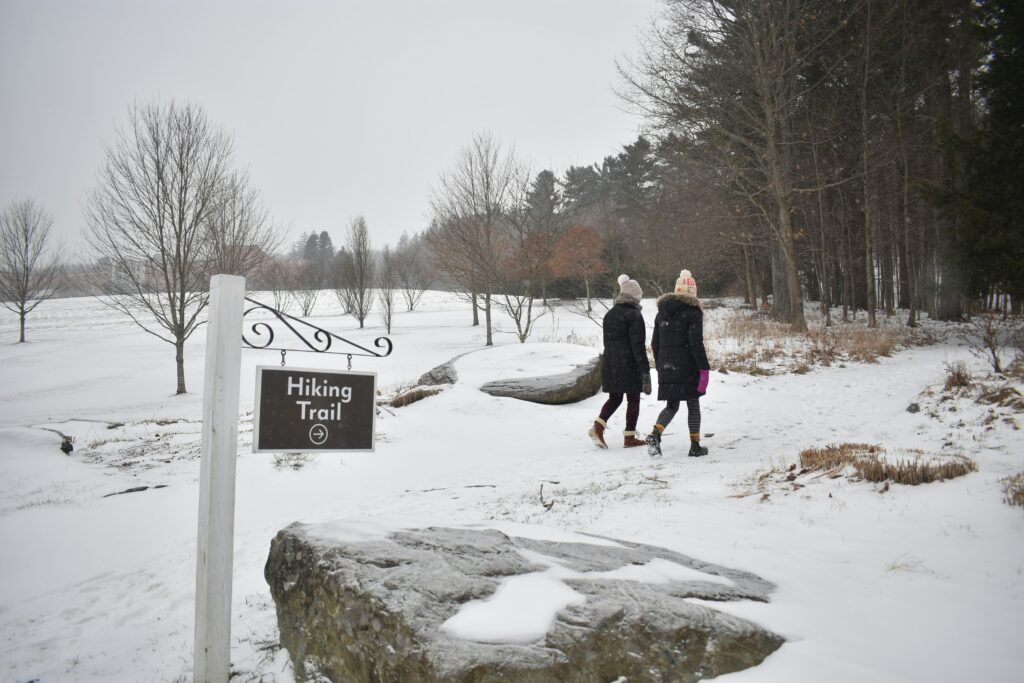
My secret for facing the cold: the three layers
You often hear about the famous three-layer technique. It may be a classic, but for me it is the only reliable way to adapt to winter conditions. Let me explain how I use it, with my own little adjustments.
First layer: staying dry is the basis
I learned the hard way that damp skin, even slightly damp, makes you freeze faster than anything else. On a low-altitude hike, I wore a cotton T-shirt under my fleece. Bad choice. After a fairly steep climb it was soaked, and the cold wind that picked up chilled me to the bone. Since then, I only wear technical T-shirts in merino wool or polyester.
Merino wool is my favourite. It is soft, it does not itch, and it stays surprisingly warm even if you sweat a little. If you are out for a full day, slip a second one into your bag to change into. Believe me, pulling on a dry T-shirt during a break is a luxury worth all the gold in the world.
Second layer: warmth without suffocating
This middle layer must trap the heat while letting sweat escape. I use a thin fleece when I know I will be moving a lot. I take a small down jacket if I expect long breaks or very low temperatures. Once, on a snowshoe outing, I underestimated the cold when I stopped for a picnic on an exposed ridge. I had a fleece but no down jacket. The result: a shortened break and frozen hands. Since then, I never leave without a compressible down jacket in my bag. It saves me every time.
Third layer: a shield against the elements
This outer layer is there to block the wind, the snow, or even a fine rain that can quickly freeze. A waterproof, breathable jacket is non-negotiable. During a hike in the Chartreuse, I tested a cheap jacket that was not really waterproof. After an hour in light sleet, I was soaked. Since then, I have invested in a technical jacket with a membrane, like those from Cimalp (see the website). The difference is huge. Not only do I stay dry, I no longer end up in a “walking sauna” because of sweat.
Never neglect your extremities: where the cold strikes first
Head and neck
Did you know that you lose a large part of your body heat through your head? That is why a well-fitting hat is essential. On windy days, I add a neck warmer that I can pull up over my ears. Once, on a pass swept by gusts, this simple accessory turned an icy day into a pleasant adventure.
Hands
Gloves are crucial. I always wear an insulated, waterproof pair. For snowshoe hikes, I add silk liner gloves. They are a thin extra layer that keeps your fingers warm even if the main gloves get a little damp.
Feet
The choice of socks is almost as important as the choice of shoes. I use thick merino wool socks that regulate temperature well and prevent blisters. And of course, my hiking shoes are high-ankle, waterproof and have a grippy, lugged sole. Snow, especially wet snow, can turn an outing into a nightmare if your feet get wet. Think about gaiters too. They stop snow getting in and keep you dry up to your calves.
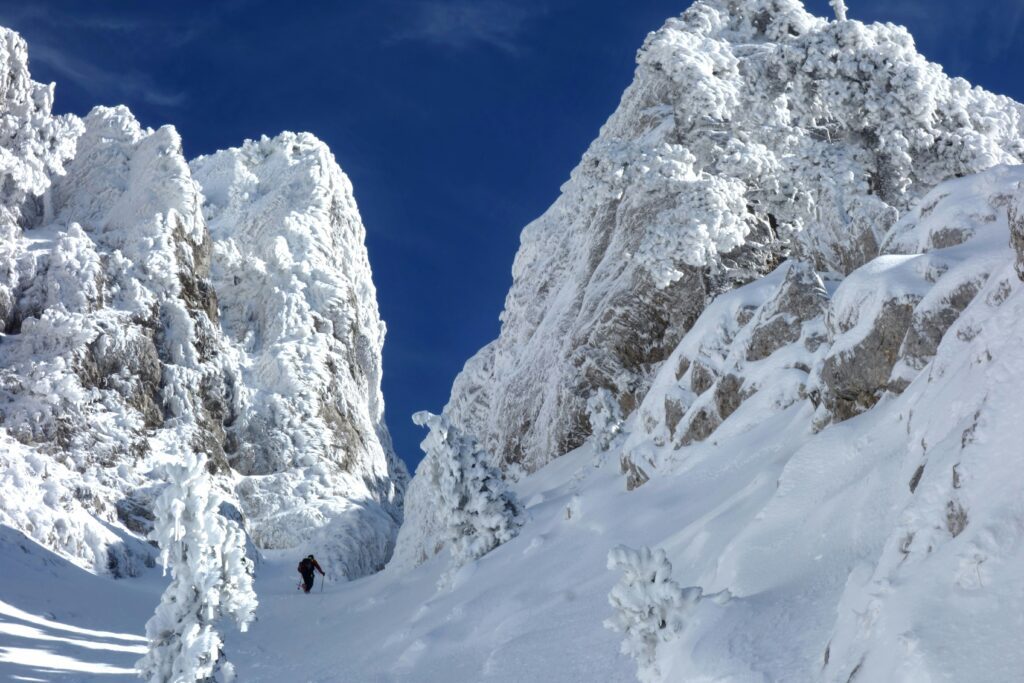
The right kit for snow hikes
Snowshoeing is a real pleasure, but it needs a few adjustments. On top of your outfit, think of specific accessories. These include telescopic hiking poles, sunglasses for the glare, and a rucksack with a waterproof cover. And do not forget: in the snow, the effort is doubled. So dress accordingly, but do not overload your bag!
Why I like Cimalp gear for winter hiking
Since I discovered Cimalp, I have been a fan of their technical clothing for winter. Their approach, mixing innovation and durability, really speaks to me. For example, their waterproof jackets are perfect for extreme conditions, and I appreciate their commitment to eco-responsible materials. Are you looking for a reliable, comfortable outfit for winter hikes? I recommend taking a look at their collection.
In conclusion: what to wear hiking in winter
Hiking in winter, on dry trails or in the snow, calls for a well-chosen outfit. I hope these tips from my own experience will help you prepare better. With the right clothes and accessories, every outing becomes an unforgettable adventure, even in the cold. So, ready to lace up your shoes and explore winter?
What to wear hiking in winter: in short
Start by deciding whether you will walk on clear trails or on snow. Then dress in three layers. Wear merino wool or polyester next to the skin, then a thin fleece or a compressible down jacket. Finish with a waterproof, breathable jacket. Protect your head, hands and feet. On snow, add gaiters, silk liner gloves, sunglasses and a rucksack with a waterproof cover.
FAQ
What to wear hiking in winter: which layers?
Dress in three layers. Next to the skin, wear a technical T-shirt in merino wool or polyester. Add a thin fleece or a compressible down jacket in the middle. Finish with a waterproof, breathable jacket.
Why avoid cotton when hiking in winter?
A cotton T-shirt gets soaked as soon as you sweat. Damp skin makes you freeze faster, and a cold wind then chills you to the bone. That is why I only wear merino wool or polyester.
What do you need on top for snowshoeing?
I add silk liner gloves under my main gloves and gaiters to keep the snow out. I also take telescopic poles, sunglasses for the glare, and a rucksack with a waterproof cover.
Should you carry a spare base layer?
If you are out for a full day, I advise slipping a second technical T-shirt into your bag. Changing into a dry one during a break makes a big difference.