My Camino de Santiago blog, route by route
Every article on this page comes from what I’ve actually lived on the trail: the stages I walked, the albergues where I slept, what I spent, what hurt my feet and what made me want to set off again. Add it all up and that’s over 2,000 km across Spain, France and Portugal. For each topic, I’ll tell you which article to start with.
The routes I’ve walked, compared
Before you choose, it helps to put the routes side by side. The distances and durations come from my own articles and GPS tracks; the “What I did” column is what I walked myself.
| Route |
Start and finish |
Distance |
Typical duration |
What I did |
Right for you if… |
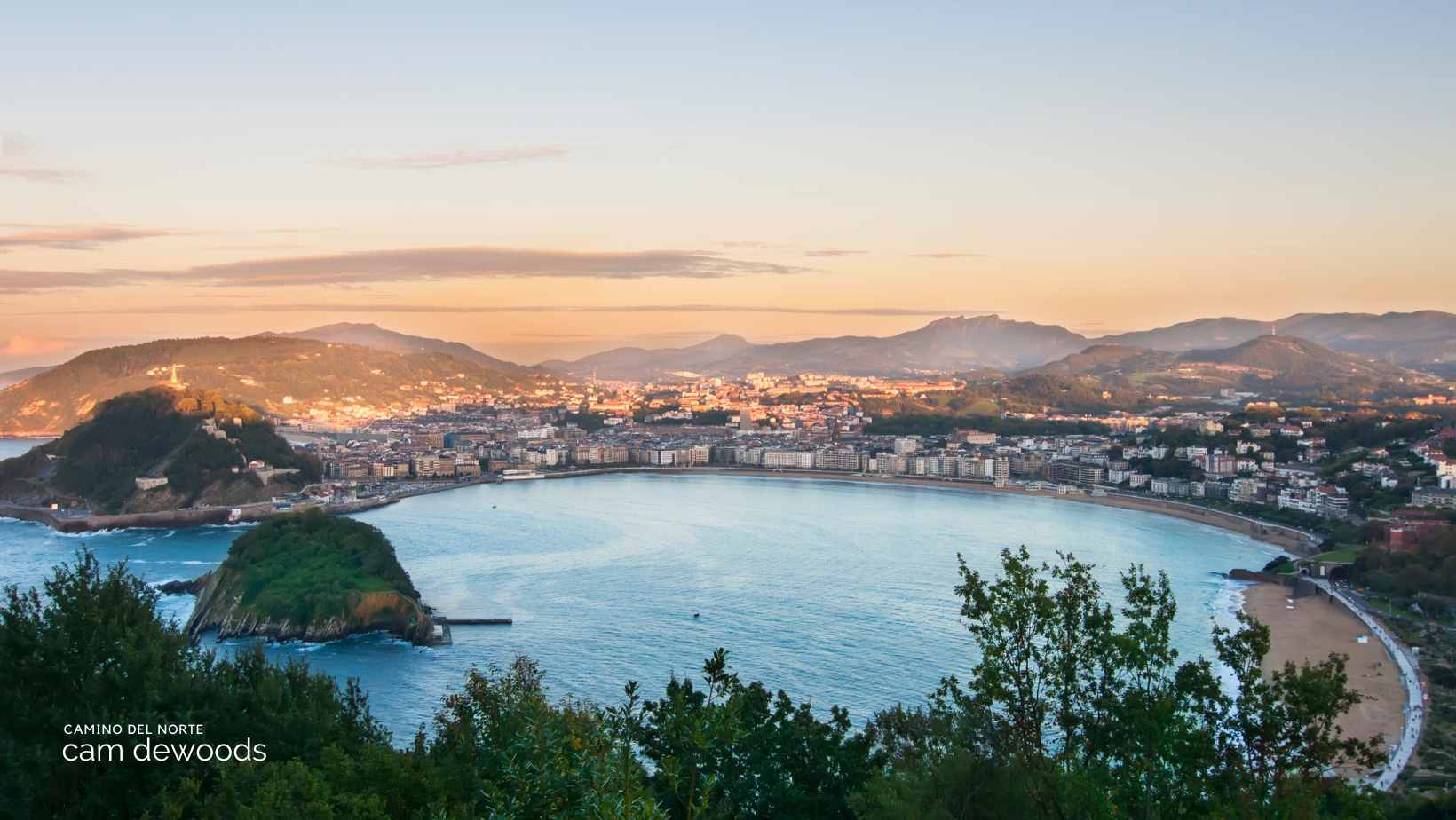
| Camino del Norte |
Irún → Santiago |
about 865 km, 15,000 m of ascent |
30 to 35 days |
2018, from Irún to Villaviciosa, then branching onto the Primitivo |
you want to hug the coast and skip the Francés crowds |
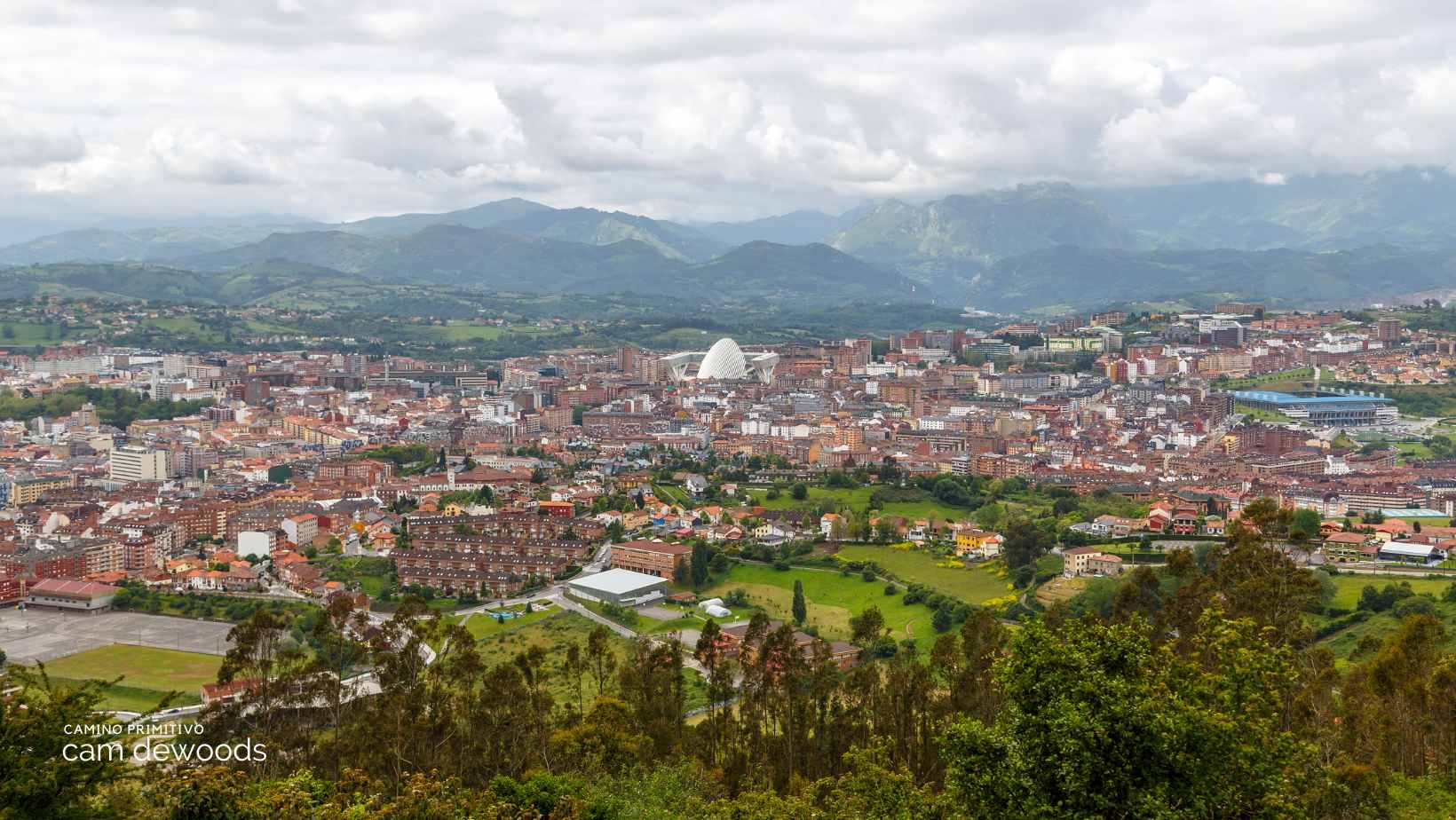
| Camino Primitivo |
Oviedo → Santiago |
about 315 km, 8,000 m of ascent |
12 to 15 days |
June 2018, straight after the Norte |
you’re comfortable in the mountains and fine with tough stages |
| Camino Francés |
Saint-Jean-Pied-de-Port → Santiago |
about 800 km |
30 to 35 days |
the last 3 days, after the Primitivo |
you want a very busy route where you rarely walk alone |
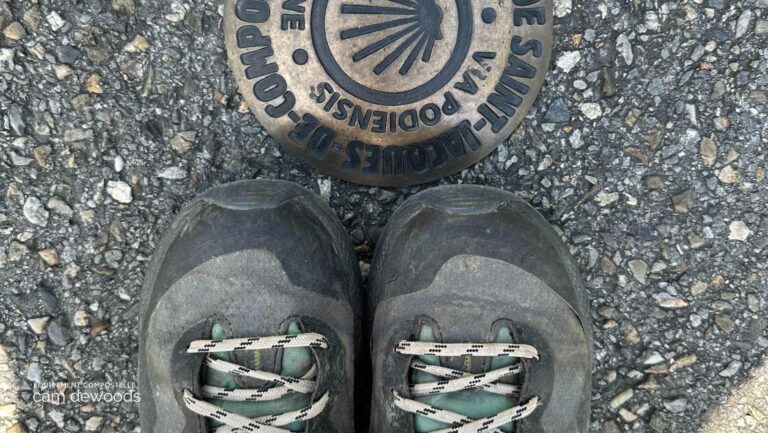
| Via Podiensis |
Le Puy-en-Velay → Saint-Jean-Pied-de-Port |
755 km (781 km for me with the Célé) |
32 stages (28 for me) |
July and August 2023 |
it’s your first route in France |
| Portuguese Way |
Porto → Santiago |
about 250 km via the central route |
12 days recommended (10 for me) |
September 2026, solo, 273 km with the Variante Espiritual |
you have two weeks and want a gentler route |
| Arles Way |
Arles → Puente la Reina |
about 740 km to the Somport pass |
30 to 40 days for the French section |
in sections: Arles-Lodève, then Montpellier-Toulouse |
you’re after quiet and already have a few walking days behind you |
The Portuguese Way doesn’t have an English write-up on the blog yet — it’s next on my translation list.
The Spanish routes: Norte, Primitivo and Camino Francés
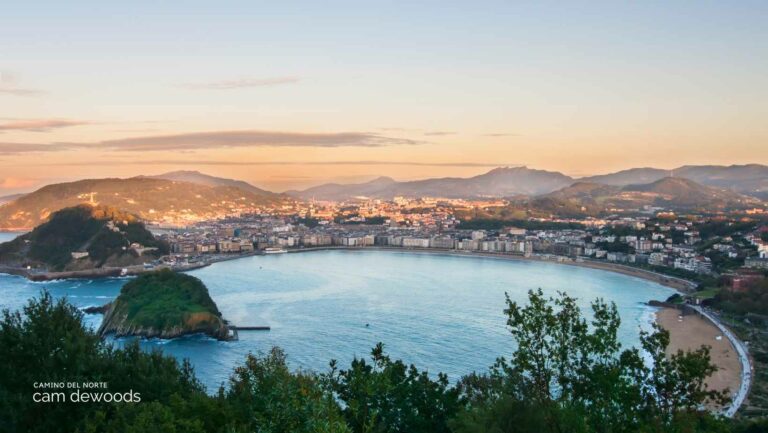
My 2018 route began solo in Irún on the Camino del Norte. It rained almost every day, I had a sore shin treated by a physio, and I met the woman I still call my “camino mum”. The Norte is tougher than the Francés, with climbing every day, but the coast rewards every climb.
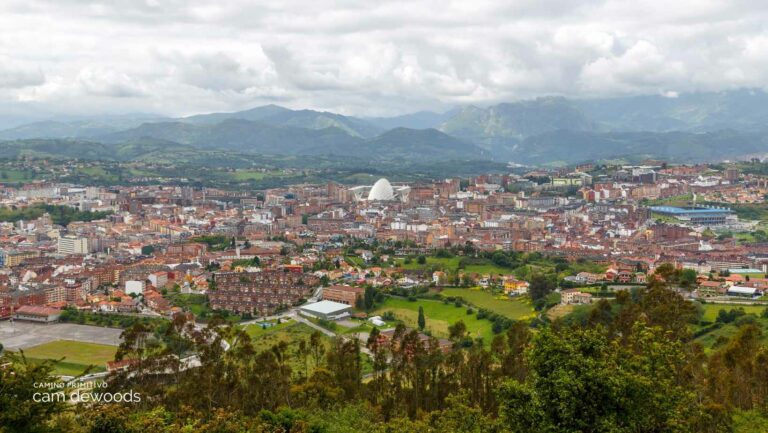
At Villaviciosa I branched onto the Camino Primitivo, the mountain route through Asturias and Galicia. We’d cross maybe fifty pilgrims a day there. After joining the Camino Francés, we were suddenly among more than a thousand: the difference is huge, which is why choosing your route carefully matters. The comparison table above gives you a quick look at how the Spanish routes stack up.
The French routes: Via Podiensis, the Célé and the Arles Way
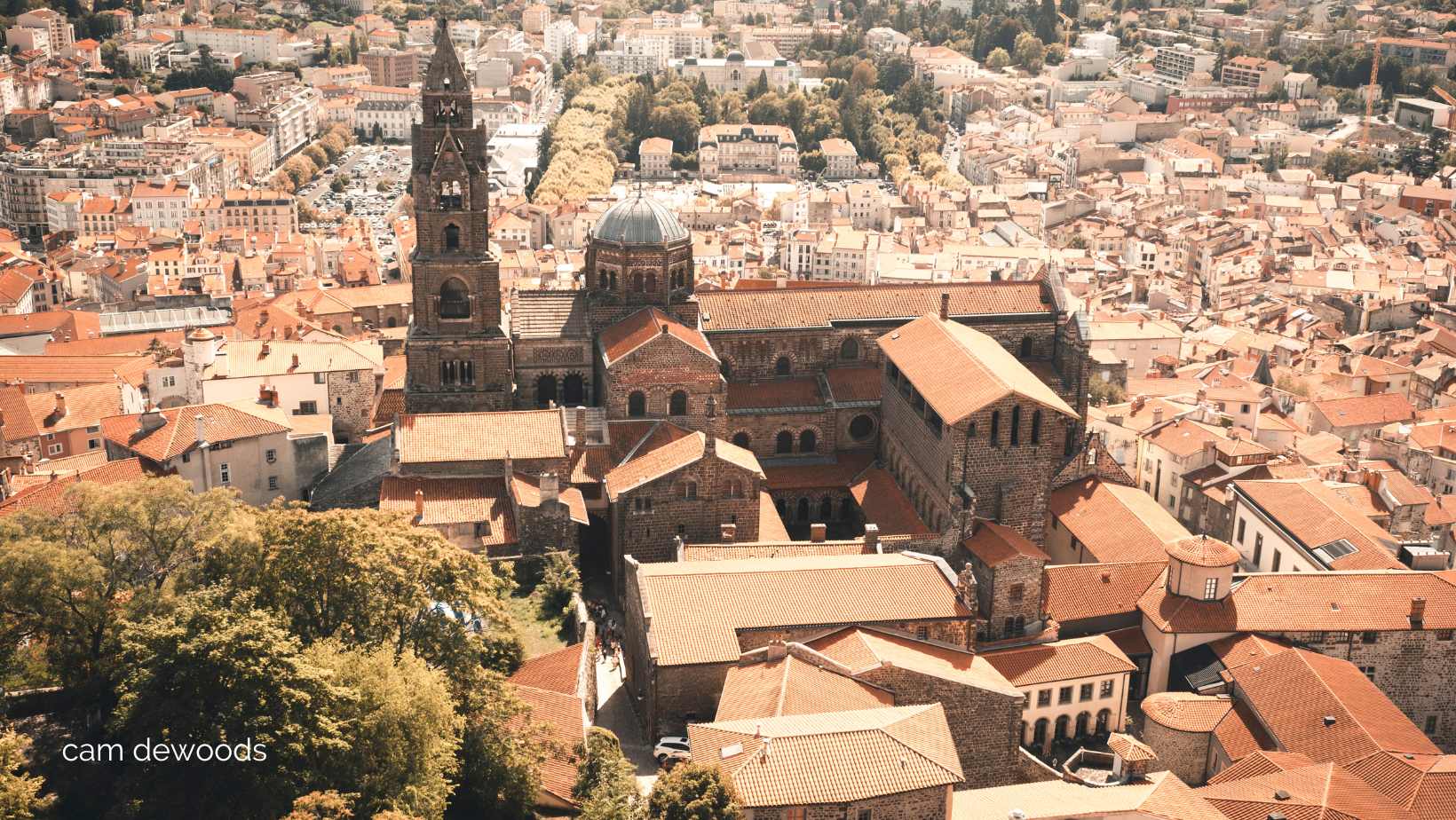
In 2023 I set off from Le Puy-en-Velay on the Via Podiensis, in July and August. The start was packed, then the crowds thinned out within the first two or three stages. After Figeac I took the Célé valley variant. On the practical side, gîtes ran around €15 to €17 a night, and it was much easier than in Spain to find meals without meat.
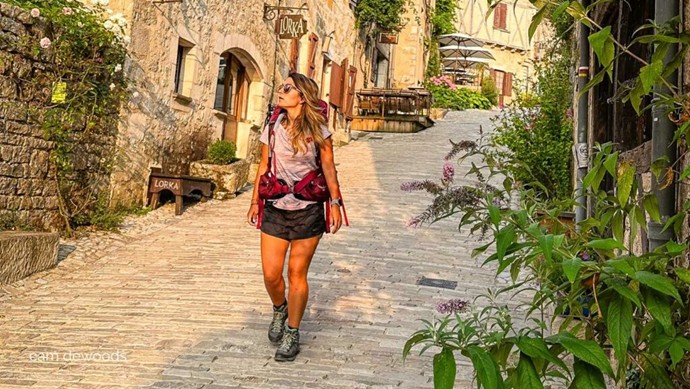
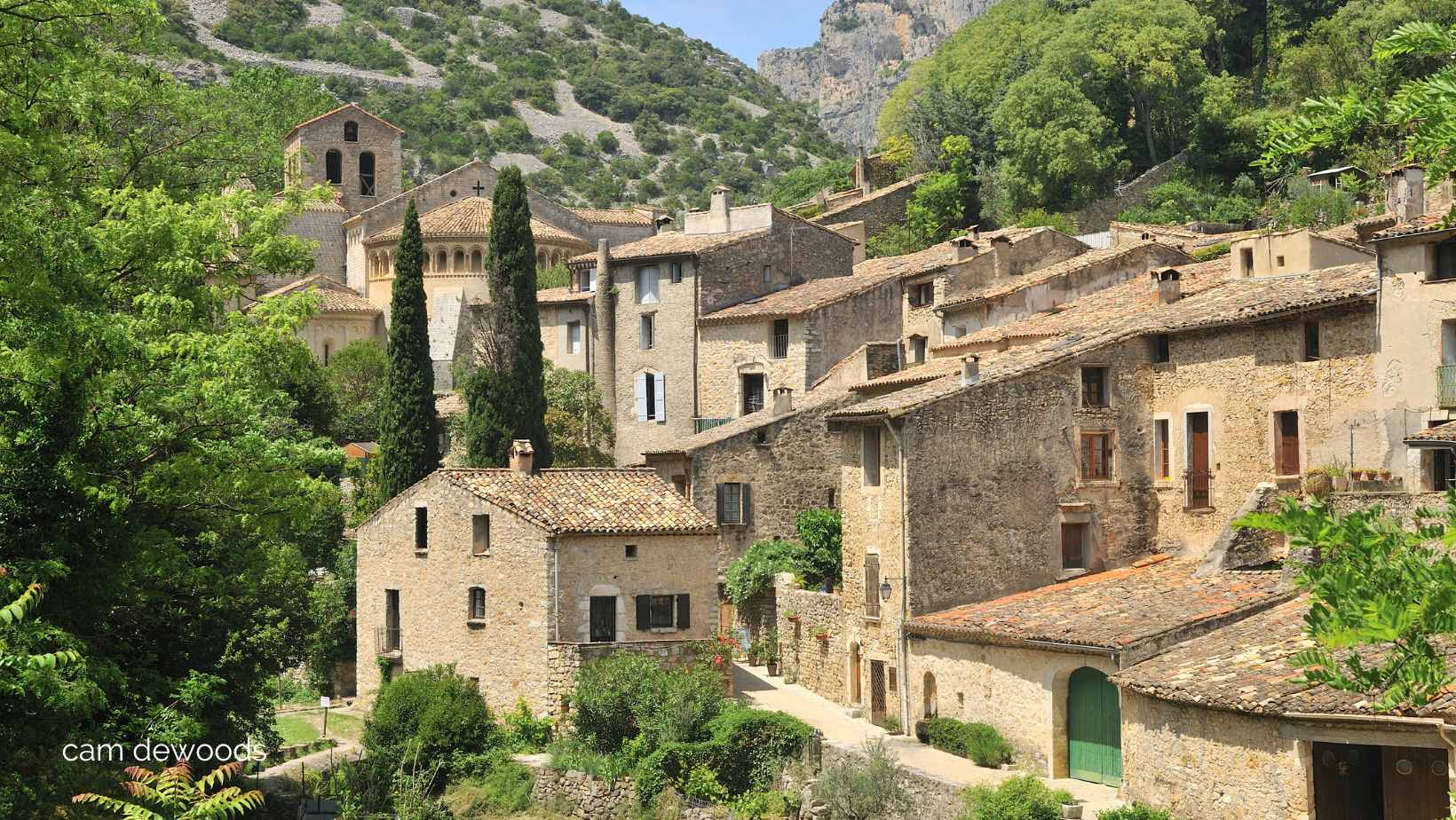
I discovered the Arles Way in pieces. First young and under-prepared between Arles and Lodève, then from Montpellier to Toulouse, passing through Saint-Guilhem-le-Désert, where I was returning six years after my first visit. It’s a quieter route, with fewer places to stay: I wouldn’t recommend it for a first camino. To compare the French routes, start with my article on the Camino de Santiago in France.
The Portuguese Way, from Porto
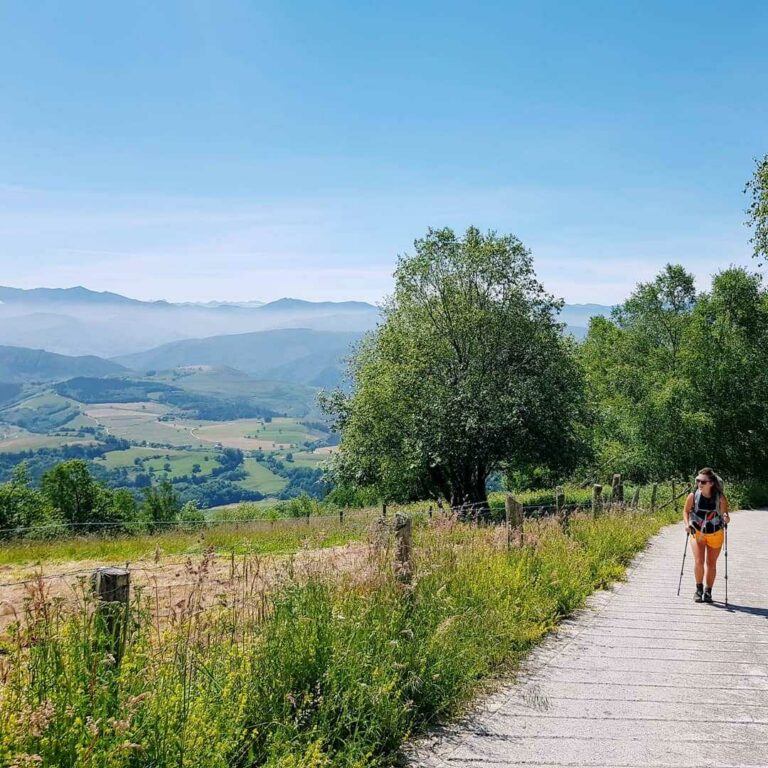
In September 2026 I walked solo from Porto to Santiago, in ten days. I left the coast after one day (too hot and a little monotonous for my taste), followed the central route, then finished on the Variante Espiritual with its boat crossing. It’s the route I recommend when you have two weeks off: gentle overall, even if it keeps a few sharp climbs. In September, beds were going fast, and I had to sleep in a hotel twice.
Getting ready to leave
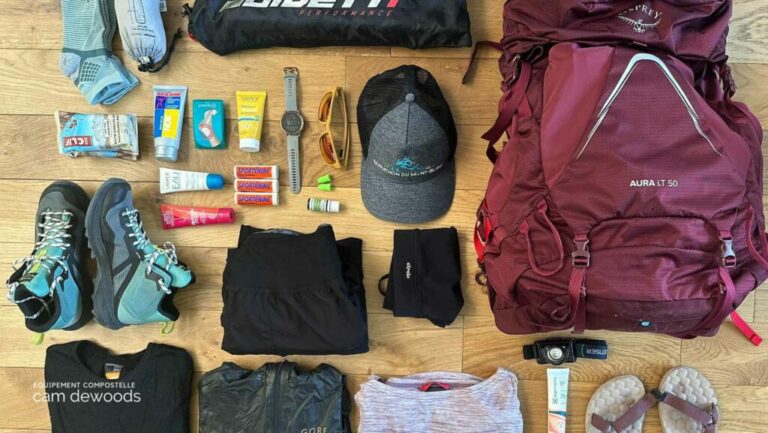
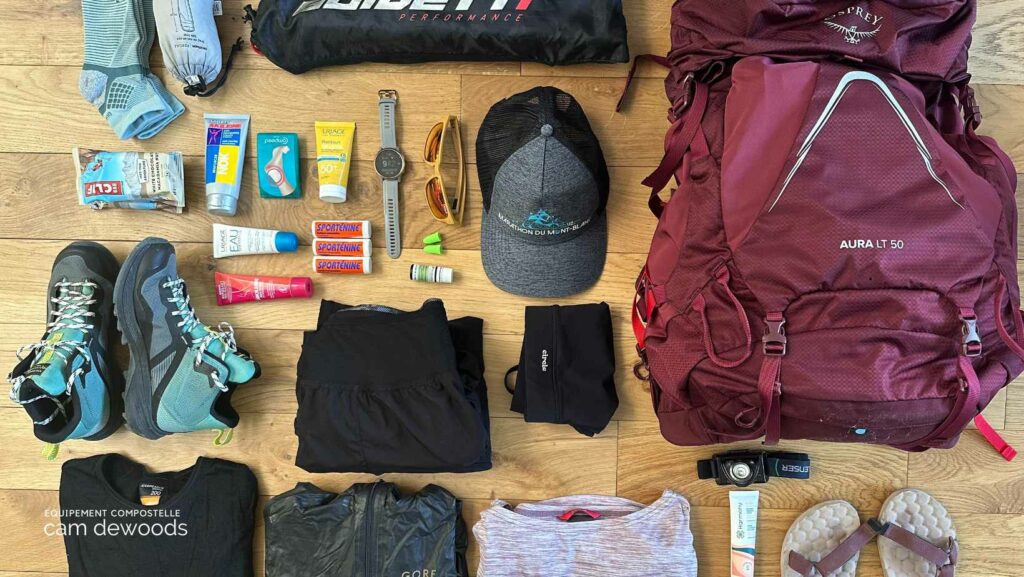
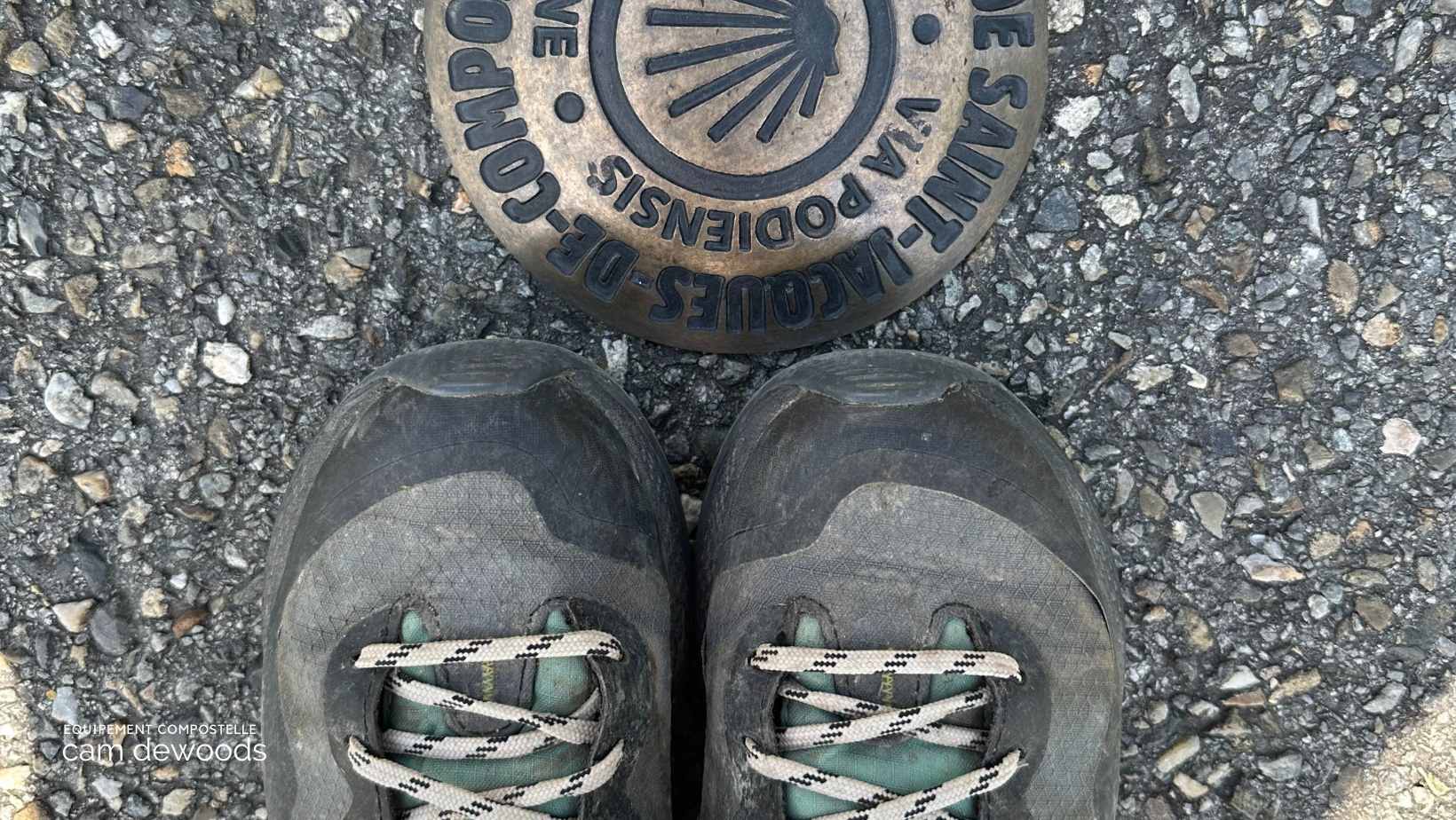
On the gear side, for your pack, my article on equipment for the Camino de Santiago covers what I carry, and the shoe guide helps you choose the right pair. For the budget, I break down what the route really costs, in France and in Spain. You’ll also find where to sleep, how to get your credential and how to walk without carrying your pack.
Hiking the Camino de Santiago alone
Setting off alone is often what makes people hesitate. I went alone in 2018, then again in Portugal. Over more than two months of walking, I never felt unsafe, even though zero risk doesn’t exist. I told the story of my 2018 route in my book (currently in French only), Le Camino seule, enfin presque: the doubts at the start, the fatigue, and everything the other pilgrims gave me along the way.
Where to start depending on your time
- You have ten days to two weeks: the Portuguese Way from Porto. That’s enough time to reach Santiago without going over 30 km a day.
- It’s your first camino and you’re starting from France: the Via Podiensis, the route with the most places to stay. You can walk it in sections, picking start and end towns that are easy to reach by train.
- You have a month or more: the Camino del Norte or the Camino Francés to Santiago, both around 30 to 35 days.
- You’re after quiet: the Arles Way, more intimate, provided you already have a few days of walking behind you.
- You love the mountains: the Camino Primitivo. Skip it if your fitness is borderline: the climbs are steep and places to stay are scarce on some stages.
FAQ
Which Camino de Santiago route should you choose for a first trip?
In France, I’d recommend the Via Podiensis: it’s the best-equipped route for places to stay, and the crowds thin out after the first few stages. If you’re short on time, the Portuguese Way from Porto takes ten to twelve days.
How many kilometres a day should you walk on the Camino de Santiago?
The average is around 20 to 25 km, or 5 to 7 hours of walking. If you’re starting out, begin with 15 to 20 km stages and build up gradually after a week. On the Norte, I was walking 25 to 30 km a day.
How much does the Camino de Santiago cost?
On the Via Podiensis in 2023, I spent around €40 a day, all in. In Spain, on the Camino del Norte, my nights cost under €15. The full breakdown is in my article on the cost of the Camino de Santiago.
Can you walk the Camino de Santiago alone as a woman?
Yes. Over more than two months of walking, I never felt unsafe, but I stay careful: I keep an eye on my things, I keep enough signal to call for help, and I’m happy to walk with other pilgrims.
How long does the Camino de Santiago take?
It depends on the route: 30 to 35 days for the full Camino Francés or Norte, 12 to 15 days for the Primitivo from Oviedo, around twelve days for the Portuguese Way from Porto.
How do you get the Compostela certificate?
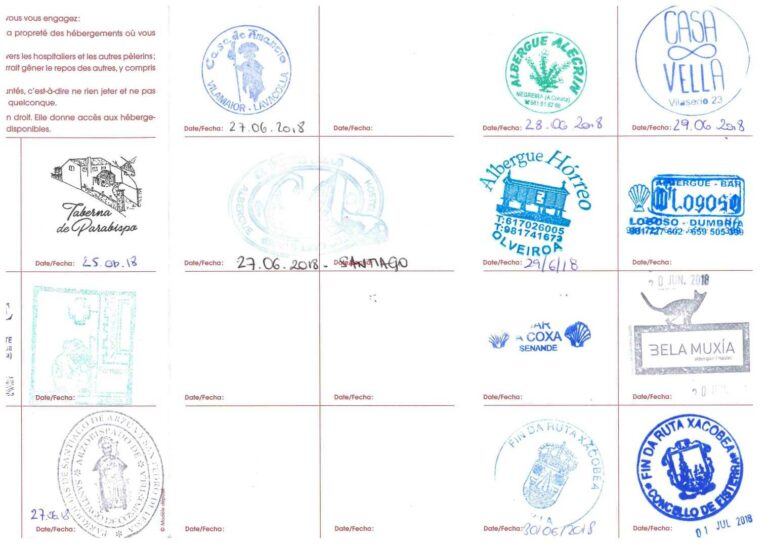
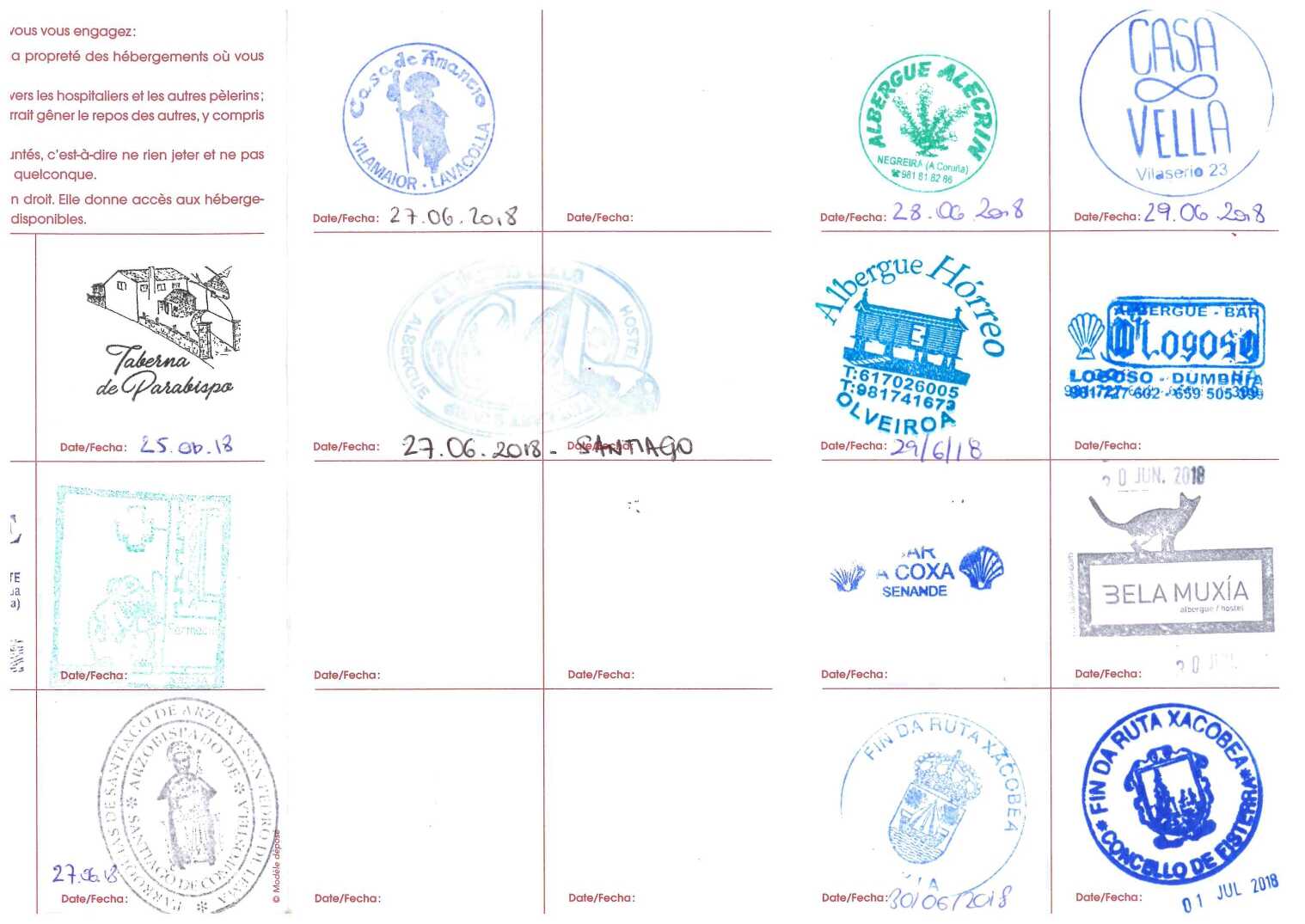
You need to have walked at least the last 100 km before Santiago (200 km by bike), with a credential stamped at every stage. You can get your credential from a pilgrims’ association or a pilgrim welcome office at your starting point.
What’s the best time of year to go?
Spring (April to June) and early autumn (September, October) are the most pleasant. July and August are hot and crowded, and I wouldn’t recommend winter on the Norte or the Primitivo.